
In an era where remote work has become the norm, businesses are increasingly turning to innovative solutions that ensure productivity and accessibility for their teams-no matter where they are. The YouTube video titled « Unlocking Global Collaboration with Windows Virtual Desktop » dives deep into the transformative capabilities of Windows Virtual Desktop (WVD), a tool leveraging azure’s global infrastructure. In a conversation between Scott Hanselman and Christiaan Brinkhoff, viewers gain invaluable insights into how WVD not only facilitates seamless remote work but also enhances security and efficiency for organizations navigating the complexities of a changing workforce.Throughout the discussion, Brinkhoff highlights WVD’s pivotal role during the COVID-19 pandemic, as companies scrambled to equip employees for prosperous remote work. Unlike traditional remote desktop solutions, Windows Virtual Desktop offers a robust and enterprise-ready environment, complete with features such as load balancing and multi-session capabilities, allowing businesses to adapt swiftly and effectively.If you’re looking to understand how leveraging cloud technologies can revolutionize your workplace dynamics, join us as we explore the key points of this enlightening conversation. Whether you’re a business leader seeking innovative strategies or simply curious about the future of work, this video-and the topics we discuss-will provide you with the knowledge to navigate the remote work landscape with confidence.
Understanding the Advantages of Windows Virtual Desktop for Remote Work
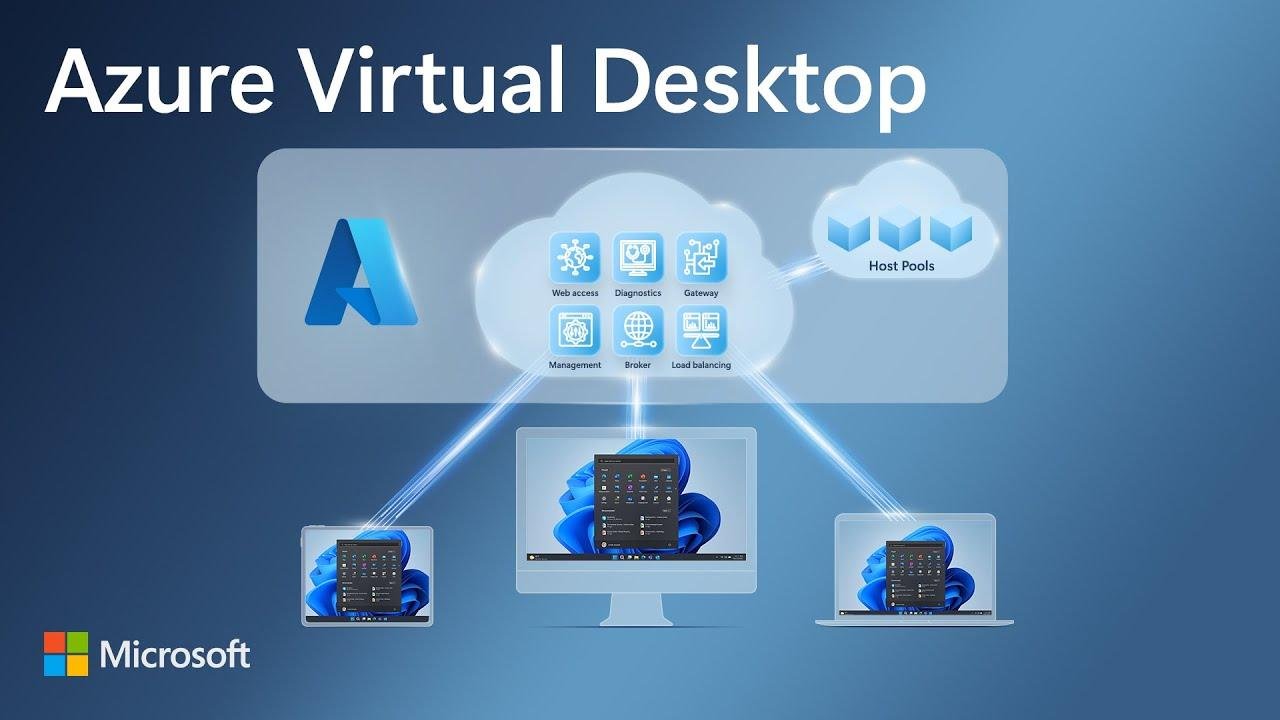
Windows Virtual Desktop (WVD) provides a robust and secure platform for remote work, catering to the ever-evolving needs of modern businesses. With the increasing trend of remote working, especially during challenging times such as the COVID-19 pandemic, WVD has emerged as a critical solution that allows employees to access their workspaces from anywhere in the world. This service utilizes Azure, allowing organizations to maintain high performance and user experience regardless of location. By leveraging this technology, companies can ensure their workforce remains productive and connected, even from home.
What sets Windows virtual Desktop apart from traditional virtual machine setups is its enterprise-ready architecture, designed specifically for scalability and efficiency. Unlike standard remote desktop solutions,WVD features capabilities such as **load balancing**,**multi-session support**,and **resource sharing**,making it ideal for handling thousands of users concurrently. This enables businesses to provision virtual machines that mimic the desktop experience employees are accustomed to, while maintaining centralized management and security. Furthermore,the platform supports various operating systems,granting employees adaptability in how they connect,whether from Windows,Mac,or even mobile devices.
The Distinct Architecture of Windows Virtual desktop Compared to Traditional Virtual Machines

The architecture of Windows Virtual Desktop (WVD) is fundamentally distinct from traditional virtual machines, primarily due to its structured control plane. This **control plane** allows businesses to manage access and resources efficiently across different devices and locations. Unlike standard virtual machines that require individual setup and management, WVD provides a centralized ecosystem that includes features such as load balancing, diagnostic gatewaysand support for multi-session connections.This architecture enables companies to seamlessly ramp up their workforce in response to emergencies, such as the surge in remote work prompted by the COVID-19 pandemic.
One of the most meaningful advantages of WVD is its ability to support **scalability** and **multitenancy**. Organizations can provision thousands of virtual machines on-demand,ensuring that employees can securely connect to their work environments from various endpoints,whether they are using a Mac,Android,or Windows device. In contrast, traditional setups often lack these capabilities, leading to inefficiencies in resource allocation and management. As businesses navigate the complexities of remote operations, the distinct architecture of Windows Virtual Desktop positions it as an essential tool for navigating the new normal of flexible work arrangements.
| Feature | Windows virtual desktop | Traditional virtual Machines |
|---|---|---|
| Control Plane | Centralized Management | Individual Management |
| Load Balancing | Integrated | Manual Setup |
| Multi-Session Support | Yes | No |
| Scalability | High | Limited |
Enhancing Workforce Productivity and Collaboration with Secure Remote Access

In today’s rapidly evolving work environment, organizations are increasingly turning to secure remote access solutions to enhance productivity and collaboration. One such powerful tool is Windows Virtual Desktopwhich offers businesses the ability to provide their teams with consistent, secure access to their workspaces from anywhere in the world. With Azure as the backbone,employees can seamlessly connect to their desktops,allowing for a smooth transition between remote and in-office work. This capability is particularly crucial considering recent global events that have pushed many companies to adapt to remote work policies quickly. By utilizing this technology, organizations can ensure that their workforce remains efficient and engaged, regardless of location.
Moreover, windows Virtual Desktop significantly simplifies the management of remote workers. It enables IT departments to provision virtual machines quickly, granting employees access to their necessary applications and data without the need for physical hardware. The control plane features, including load balancing and multi-session capabilities, enhance the overall user experience, allowing multiple users to share resources effectively. This extensive approach not only fosters collaboration among dispersed teams but also mitigates security risks associated with traditional remote desktop solutions. As such, leveraging secure remote access technologies becomes a strategic imperative for businesses striving to thrive in the modern landscape.
Best Practices for Implementing Windows Virtual Desktop in Your Organization

The implementation of Windows Virtual Desktop (WVD) in an organization requires careful planning and execution to fully leverage its capabilities. One of the best practices is to **define clear user access policies**. By establishing who can access which resources and under what circumstances, organizations can enhance their security posture while ensuring users have the necessary tools to perform their jobs effectively. It’s also essential to **utilize Azure’s global infrastructure** to distribute resources strategically, minimizing latency and facilitating a seamless user experience, regardless of location.
Moreover, monitoring and management play a crucial role in maintaining optimal performance. Implementing a robust **monitoring solution** that tracks usage patterns and resource consumption can provide insights into potential bottlenecks and issues before they escalate. Additionally, leveraging **scalable provisioning of resources** allows businesses to adjust quickly to changing demands, especially in times of unexpected remote work increases. Regularly conducting system updates and maintenance checks ensures the environment remains secure and efficient. These strategies ultimately contribute to a more productive and secure remote working atmosphere.
Closing Remarks
the insights shared in today’s discussion illuminate the transformative power of Windows Virtual Desktop in our rapidly evolving work environment.With remote work becoming the norm, companies are recognizing the need for secure, accessible, and efficient ways to maintain productivity beyond the confines of the traditional office. Christiaan Brinkhoff’s expert insights emphasize that Windows Virtual Desktop not only facilitates this transition but does so with enterprise-level features like load balancing and resource sharing, which are vital for large organizations.As we navigate the nuances of modern workspaces, the flexibility and control offered by such solutions can significantly enhance business continuity and employee satisfaction. Whether you’re managing a small team or a sprawling enterprise, embracing cloud-based technologies like Windows Virtual Desktop can be a game-changer. Stay tuned for more explorations into the tools that shape our work culture and empower us to achieve more, no matter where we are in the world. Thank you for joining us today, and we hope you found this reflection on Windows Virtual Desktop as engaging and informative as we did!