
In today’s rapidly evolving work landscape, where remote collaboration has become the norm, organizations are constantly seeking innovative solutions to ensure seamless productivity.Enter **Windows Virtual Desktop (WVD)**-a game-changer that empowers businesses to operate from anywhere in the world. In our latest blog post, we delve into a engaging discussion from a recent Azure Friday episode featuring scott Hanselman and Christiaan Brinkhoff. Thay explore how WVD not only provides a secure workspace but also caters to the high demand for flexible working environments, especially amid the challenges posed by global events like the COVID-19 pandemic. Join us as we unpack the advantages of implementing Windows Virtual Desktop, including its enterprise-ready capabilities, the importance of load balancing, and the benefits of multi-session support. Weather you are a small business owner or part of a large institution, understanding the functionalities and benefits of WVD can be pivotal in enhancing your operational efficiency and ensuring that your team can thrive, no matter where they are located. Get ready to discover how this powerful tool is reshaping the way we think about remote work!
Understanding the Advantages of Windows Virtual Desktop for remote Work
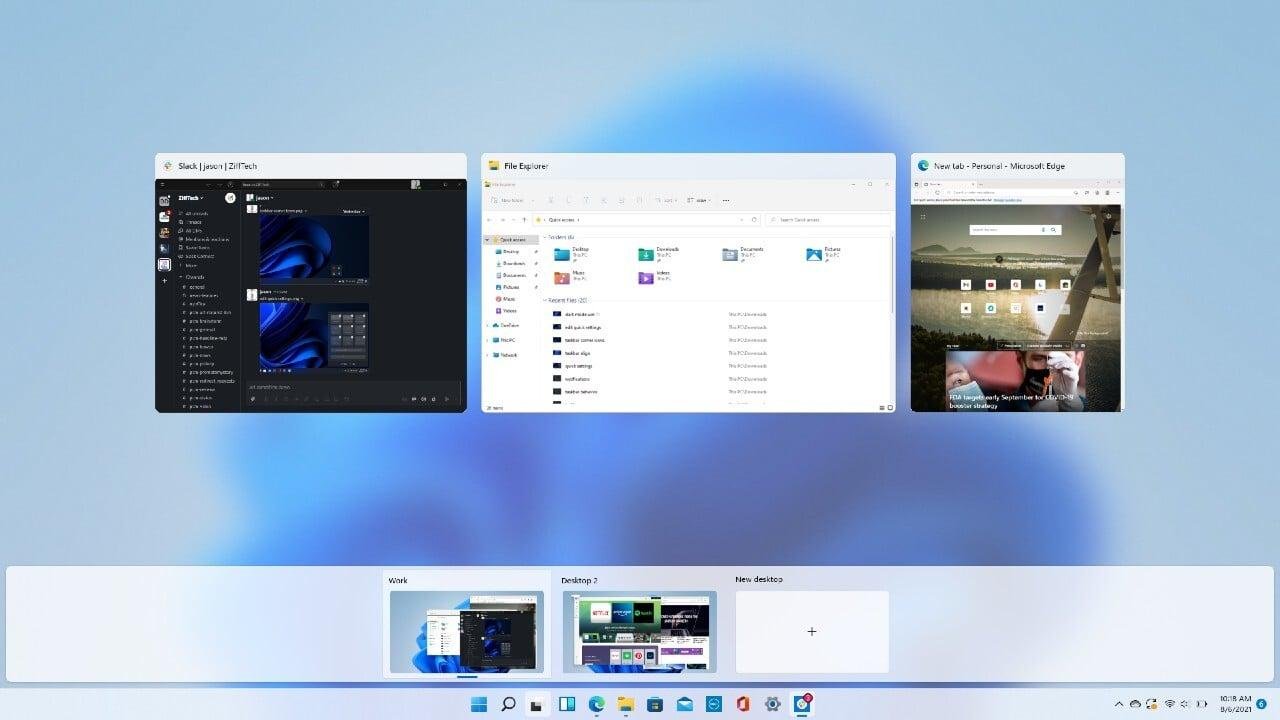
Windows Virtual Desktop revolutionizes the way organizations approach remote work, providing a seamless and secure connection to essential resources from virtually any location. With Azure’s global infrastructure, employees can access their workspaces without compromising on performance or security.The increasing demand for remote work solutions has highlighted the importance of platforms like Windows Virtual Desktop, which offer companies the flexibility to adapt to sudden changes, such as the massive shift triggered by the COVID-19 pandemic. By enabling safe remote access, this technology not only boosts productivity but also empowers organizations to maintain operational continuity during challenging times.
what sets Windows Virtual Desktop apart from customary virtual machines is its enterprise-level capabilities. The solution includes advanced features such as load balancing, operational diagnostics, and resource brokering, ensuring efficient management and scalability. This infrastructure allows organizations to support a multitude of users together, providing them shared access to resources while utilizing the multi-session capabilities of Windows 10.Moreover, employees can connect from any device-whether it’s a Windows, Mac, or Android device-making it an incredibly versatile choice for businesses aiming to optimize their remote workforce arrangements.
The Architecture Behind Windows virtual desktop and Its Enterprise Capabilities
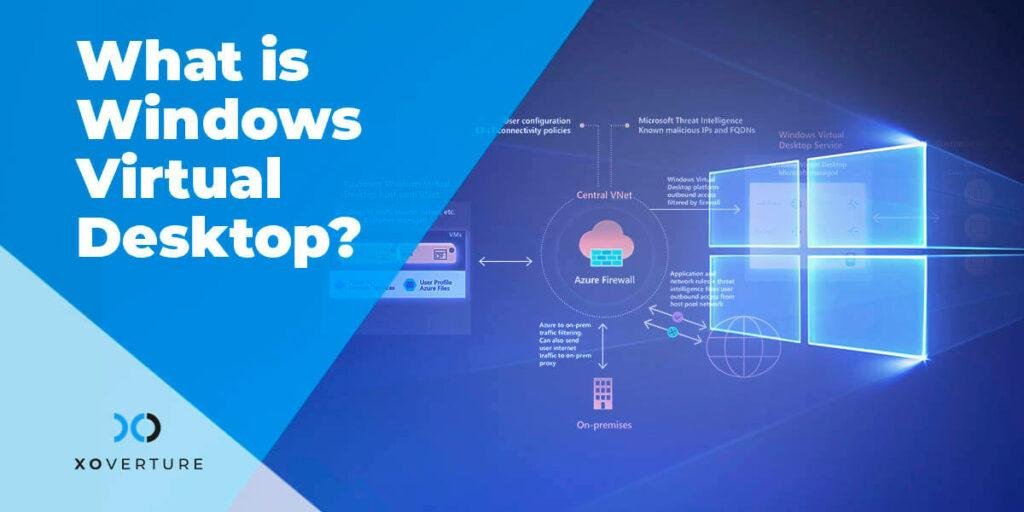
Windows Virtual Desktop (WVD) revolutionizes remote work by leveraging Azure’s global infrastructure, allowing employees to securely access their workspaces from virtually any location. This technology has surged in importance due to the rising demand for effective remote work solutions, especially highlighted during the COVID-19 pandemic. By enabling multiple users to securely log into virtual machines, WVD empowers organizations to ensure business continuity and maintain productivity. This is achieved through a elegant architecture that supports features like **global load balancing**, **session management**, and **resource sharing** which are essential for enterprise environments.
At the core of this powerful architecture is what is known as the **control plane**, an essential component for managing user access and optimizing resource allocation.Unlike traditional virtual machines that lack the robust capabilities of WVD, the control plane offers multi-session support-allowing multiple users to share the same operating system instance, such as Windows 10 multi-session. Additionally, WVD supports various endpoint operating systems, enabling seamless access from devices like **Mac**, **windows**, and **Android**. As businesses adapt to hybrid working models, investing in a solution like Windows Virtual Desktop isn’t just a technological enhancement; it is rapidly becoming a strategic necessity for maintaining operational efficiency.
Comparing Windows Virtual Desktop with Traditional Virtual Machines
The transition from traditional virtual machines to Windows virtual Desktop reflects a meaningful shift in how companies approach remote work.while traditional virtual machines provide a degree of flexibility, they frequently enough lack the robust enterprise management features available through Windows Virtual Desktop. This modern solution utilizes Azure’s infrastructure, allowing organizations to rapidly scale their operations and efficiently manage resources.Key functionalities such as load balancing, brokeringand multi-session support enable businesses to offer a seamless experience to thousands of users, making it especially valuable during times of increased remote work demand, such as during the COVID-19 pandemic.
In contrast, a standard virtual machine setup requires considerable manual configuration and does not inherently possess the enterprise-level capabilities that Windows Virtual Desktop offers. Companies leveraging traditional virtual machines might struggle with challenges such as resource allocation and multi-user access. Moreover, Windows Virtual Desktop empowers organizations to provide secure access to workspaces from various devices, including Mac, Androidand Windows platforms. This cross-platform accessibility is a game-changer for businesses looking to maintain productivity and collaboration in a remote work habitat.
| Feature | Windows Virtual Desktop | Traditional Virtual Machines |
|---|---|---|
| Load Balancing | Yes | No |
| Multi-Session Support | Yes (Windows 10 Multi-Session) | no |
| Management Accessibility | Centralized via Azure | Decentralized and Manual |
| Cross-Platform Access | Yes | Limited |
Best Practices for Implementing Windows Virtual Desktop in Your organization

Implementing Windows Virtual desktop (WVD) effectively within an organization hinges on a few best practices that enhance both security and operational efficiency. **First and foremost**, leveraging Azure’s global footprint allows your workforce to access their virtual desktops from virtually anywhere, thereby facilitating remote work. This ensures that employees can remain productive, regardless of their physical location. **Additionally**, it’s critical to establish a robust control plane which includes elements such as **brokering and load balancing** to maintain performance and reliability. Such architectural considerations not only support multi-session capabilities but also ensure that resources are shared effectively among users, thus optimizing the overall user experience.
Furthermore,organizations should focus on **user access management** to secure the virtual environments. Implementing role-based access control (RBAC) can definitely help to ensure that sensitive data remains protected while still allowing users to perform their job functions seamlessly. **Training employees** on using the WVD effectively is equally vital; users should feel comfortable navigating the platform and understanding the tools available to them. Lastly, establishing a routine for monitoring and maintenance can prevent potential issues before they arise, ensuring that your WVD setup operates smoothly and efficiently. following these guidelines will empower your organization to harness the full potential of Windows Virtual Desktop.
To Conclude
we hope this deep dive into Windows Virtual Desktop has illuminated its pivotal role in modern work environments. As remote work continues to shape the landscape of business, understanding the capabilities and advantages of this technology is crucial for companies adapting to new challenges. With Christiaan Brinkhoff’s insights, we’ve explored how Windows Virtual Desktop not only provides secure access to workspaces globally but also ensures efficiency through features like multi-session support and load balancing.Whether you’re a business leader looking to enhance your team’s productivity or simply someone interested in the latest cloud technologies, embracing solutions like Windows Virtual Desktop could very well be the key to navigating the challenges of a remote workforce. Thank you for reading, and we encourage you to take a step forward in exploring the possibilities that this powerful tool can bring to your organization.Don’t forget to share your thoughts and experiences with virtual desktops in the comments below!